Submitted by
Harasees kaur
12112627
B.A. LL.B. (Hons.)
Lovely Professional University, Phagwara
Introduction
The rapid expansion of the internet has transformed nearly every aspect of modern life—communication, education, commerce, political engagement, and access to information. As the digital landscape continues to evolve, the protection of human rights in this virtual environment has become increasingly critical. The internet has emerged not only as a platform for social interaction and expression but also as an essential conduit for exercising fundamental human rights such as freedom of expression, privacy, access to information, and participation in public life. It underpins democratic principles and social justice in the 21st century.
However, alongside these opportunities, the internet presents complex challenges to human rights protection. Issues such as government surveillance, censorship, online harassment, misinformation, and data exploitation raise serious concerns about the safeguarding of individual freedoms. Furthermore, marginalised and vulnerable groups often face heightened risks of discrimination or exclusion in the digital world, exacerbating existing inequalities. Legal frameworks that were developed primarily for offline contexts often struggle to address the dynamic and borderless nature of the internet, resulting in significant gaps in protection.
This blog explores the critical topic of human rights on the internet by examining the key challenges users face and analysing the gaps in existing legal protections. It discusses how traditional human rights principles are translated to the digital sphere and what legal and policy measures have been introduced worldwide to bridge these gaps. Emphasising the indispensable role of the internet in fulfilling a wide range of human rights, this introduction sets the stage for a comprehensive discussion on the urgent need to ensure that human rights are robustly upheld online, with laws and governance frameworks that are technologically relevant, inclusive, and rights-based.
The protection of human rights on the internet is not just a technical or legal issue; it also involves ethical, social, and political dimensions requiring cooperation among governments, private sector actors, civil society, and internet users themselves. As the internet continues to expand its reach, developing clear, enforceable, and globally coherent legal standards is crucial to protecting the rights and dignity of every individual in the digital age.
Understanding Human Rights on the Internet
Definition and Key Concepts of Digital Human Rights
Human rights on the internet, also known as digital rights or internet rights, refer to the application and protection of universally recognised human rights principles within the digital environment. These rights are grounded in international legal frameworks, including the Universal Declaration of Human Rights (UDHR), which stipulates fundamental freedoms such as freedom of expression, privacy, and access to information. The digital context extends these freedoms into the realm of online interaction, communication, and data sharing.
The Charter of Human Rights and Principles for the Internet explicitly states that human rights apply online as they do offline and are non-negotiable. It reinterprets universal rights to address internet-specific issues, such as access to the internet itself, privacy concerns around data protection, freedom from censorship and surveillance, and the right to anonymity and encryption. This evolved understanding underscores that the internet is a critical space for exercising civil, political, economic, social, and cultural rights.
Fundamental Human Rights Affected Online
The internet impacts a broad spectrum of human rights:
– Right to Access: The right to access the internet has become foundational as it enables the enjoyment of other rights, including education, freedom of expression, and participation in democratic processes. The UN and other bodies increasingly recognise internet access as a human right, essential for inclusion in modern society.
– Freedom of Expression and Information: The internet serves as a vital platform for individuals to express opinions, seek and impart information, and engage in social and political discourse without undue interference or censorship.
– Right to Privacy and Data Protection: The digital environment raises unique privacy challenges due to data collection, surveillance, and the potential misuse of personal information. Protection from unauthorised data processing and the right to control personal data are central to safeguarding digital privacy.
– Right to Security and Liberty: Ensuring security against cyber threats while respecting individual freedoms online is a complex balance. Measures taken to protect digital security should not infringe upon other rights like privacy and free expression.
International Human Rights Frameworks Relevant to the Internet
Existing international human rights laws such as the UDHR and the International Covenant on Civil and Political Rights (ICCPR) provide the baseline for rights protection, both offline and online. Various initiatives and charters—like the Internet Rights and Principles Coalition’s Charter—aim to clarify how these rights translate into the online ecosystem.
These frameworks emphasise:
– Universality and equality of rights regardless of digital status
– Non-discrimination and the promotion of social justice online
– The necessity for accessibility, net neutrality, and digital inclusion
– Clear roles and responsibilities for governments, private entities, and users in upholding rights on the internet
Challenges to Human Rights Protection on the Internet
The internet, while a powerful tool for human empowerment and social progress, presents numerous complex challenges to the protection of human rights. These challenges arise from the interplay between evolving technologies, diverse actors including governments and private companies, and the limitations of existing legal frameworks. This chapter explores the most pressing barriers to safeguarding human rights in the digital age.
- Threats from Private Actors: Social Media Platforms and Data Collectors
Private companies, particularly large social media platforms and data-driven enterprises, hold immense power over how information is disseminated and how users’ data is collected and used. Their algorithms shape public discourse, sometimes promoting harmful content such as hate speech, misinformation, and extremist propaganda. Users’ personal data is frequently collected, monetized, or exploited without adequate transparency or consent, threatening privacy rights. These platforms operate under limited accountability regarding human rights, as many jurisdictions do not recognise private entities as duty-bearers for rights protection, creating significant regulatory gaps.
- Government Surveillance and Cyber Control
Governments often engage in extensive surveillance and censorship under broad national security or public order justifications, sometimes targeting activists, journalists, and vulnerable communities. This surveillance may involve intrusive hacking tools, mass data collection, and monitoring of public and private digital spaces. Additionally, measures such as internet shutdowns, filtering, and content blocking suppress freedom of expression and access to information, undermining democratic participation. Increasingly, authoritarian regimes use digital controls to stifle dissent and control the populace, infringing on multiple human rights.
- Cybercrime, Hate Speech, and Online Abuse
The internet’s anonymous and global nature facilitates various forms of cybercrime, including identity theft, financial fraud, and digital harassment. Hate speech, cyberbullying, and coordinated online abuse campaigns disproportionately affect marginalised groups, inhibiting their rights to dignity, safety, and equality. Victims often find it difficult to seek redress due to jurisdictional challenges, lack of robust legal protections, and inadequate enforcement mechanisms. These issues have real-world consequences, including psychological harm and threats to physical security.
- Digital Divide and Inequality in Access
Despite the expansion of internet infrastructure globally, significant disparities remain in access based on geography, socioeconomic status, gender, disability, and other factors. This digital divide limits the ability of many to exercise their rights fully in the digital environment, reinforcing existing social inequalities. Women, rural populations, and persons with disabilities often face greater barriers to connectivity and digital literacy, raising concerns about equitable inclusion in the digital age.
Impact of Emerging Technologies on Rights
Emerging technologies such as artificial intelligence (AI), big data analytics, machine learning, and the Internet of Things (IoT) create both opportunities and new risks for human rights. AI-enabled profiling and decision-making systems may perpetuate biases, discrimination, and lack transparency, posing threats to privacy, equality, and due process. The rapid deployment of these technologies often outpaces regulatory oversight, leaving rights protections reactive rather than proactive.
- Legal Gaps in the Protection of Internet Human Rights
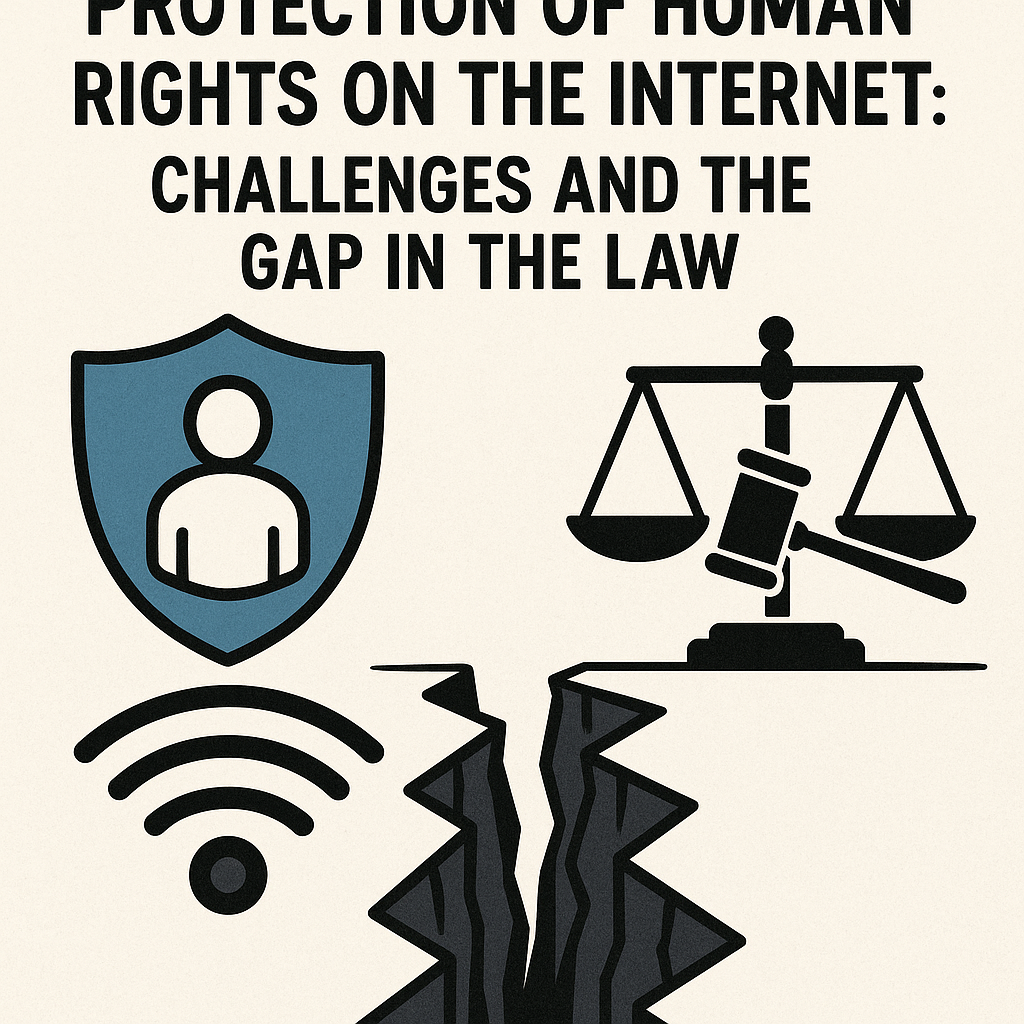
Despite the critical importance of human rights online, existing legal frameworks reveal significant gaps and inadequacies in effectively safeguarding these rights in the rapidly evolving digital environment. These legal lacunae stem from the application of traditional laws not fully adapted to cyberspace, jurisdictional challenges, and insufficient mechanisms to hold state and non-state actors accountable.
- Insufficiency of Existing Human Rights Laws in Digital Context
Most international and domestic human rights laws were formulated before the internet became pervasive. They primarily address offline realities and thus struggle to keep pace with novel digital infringements such as mass surveillance, pervasive data harvesting, and manipulative algorithmic governance. This temporal mismatch means many rights violations online—such as internet shutdowns or platform censorship—often fall into legal gray areas. Moreover, the principles guiding restrictions on rights like freedom of expression lack clarity when applied to the proportionality and necessity of digital content regulation.
- Lack of Clear Accountability for Online Platforms
A major gap exists in assigning clear, enforceable responsibilities to private internet intermediaries like social media companies, internet service providers, and data controllers. Current legal regimes often treat these actors as neutral conduits rather than rights duty-bearers, limiting victims’ avenues for redress against harms such as privacy breaches, misinformation propagation, or discriminatory platform policies. The absence of binding obligations and effective oversight mechanisms leaves significant abuses unchecked.
Challenges with Jurisdiction and Cross-border Enforcement
The borderless nature of the internet complicates the enforcement of human rights protections, as content and data flow across multiple jurisdictions with differing legal standards and enforcement capacities. This fragmentation creates enforcement gaps where rights violations can persist due to conflicting laws or lack of cooperation among states. Cross-border disputes raise difficult questions regarding which jurisdiction’s laws apply and how to ensure consistent protection of online rights.
Emerging Issues: Data Protection, Anonymity, and Encryption
As personal data becomes a currency of the digital economy, legal protections for data privacy remain uneven and underdeveloped worldwide. Many jurisdictions lack comprehensive data protection laws that adequately reflect modern risks and user expectations. Similarly, the legality and protection of anonymity and encryption tools—critical for privacy, free expression, and security—face increasing governmental restrictions without sufficient legal safeguards, threatening fundamental rights.
Intellectual Property Laws vs Digital Rights
Another gap arises where intellectual property (IP) enforcement demands intersect with digital rights. Aggressive copyright enforcement mechanisms such as blanket content filtering or internet disconnections affect vast swathes of lawful online speech and access. Current IP legal frameworks often fail to balance rights holders’ interests with protecting freedom of expression, privacy, and access to knowledge in the digital space.
Legislative and Judicial Responses Worldwide
In response to the vast challenges facing human rights protection on the internet, multiple legislative and judicial efforts have emerged globally to bridge the legal gaps and reinforce digital rights. This chapter reviews significant frameworks, case law, and institutional roles shaping the protection of human rights in the digital age.
Overview of Key Regulatory Frameworks
Notable laws and regulations such as the European Union’s Digital Services Act demonstrate a growing trend toward comprehensive legal frameworks regulating online content, enhancing transparency, and increasing accountability of digital platforms. These initiatives typically emphasise user rights, including the right to appeal content removal, data protection, and safeguards against arbitrary censorship.
At the international level, resolutions and guidelines from the United Nations Human Rights Council have underscored the applicability of human rights standards online. Resolutions call for universal and affordable internet access, promotion of net neutrality, protection of privacy, and restrictions on censorship and shutdowns. These instruments encourage states to adopt human rights-based approaches in internet governance.
Important Case Laws and Judicial Trends
Courts worldwide are increasingly adjudicating cases involving digital rights violations, setting important precedents. Rulings concerning freedom of expression, privacy, and data protection highlight the judiciary’s role in interpreting existing human rights laws in technological contexts. For instance, key cases have affirmed the right to anonymity, condemned unwarranted surveillance, and challenged platform liability exceptions.
Judicial bodies at national and international levels also grapple with balancing security concerns and rights protection, shaping the legal contours of permissible digital regulation.
Role of International Organisations and Human Rights Bodies
Intergovernmental organisations such as the Council of Europe and the Office of the UN High Commissioner for Human Rights actively promote digital rights norms and provide guidance to states. These bodies facilitate multi stakeholder dialogue, encourage policy coherence, and monitor states’ compliance with internet-related human rights obligations.
Civil society organisations play a critical watchdog and advocacy role, pressing for stronger protections, transparency, and user empowerment.
National Laws and Regulatory Innovations
Several countries have enacted data protection laws, freedom of information statutes, and digital rights charters to protect citizens online. Regulatory innovations include establishing digital ombudspersons, mandatory transparency reporting by platforms, and mechanisms for internet users’ complaints against abuses.
Some jurisdictions have pioneered laws securing encryption and anonymity tools, while others are advancing legislation to combat harassment and misinformation without infringing freedom of expression.
Ethical and Social Dimensions
The protection of human rights on the internet transcends legal and technical challenges, involving crucial ethical and social dimensions that shape the real-world impact of digital freedoms. This chapter explores these aspects, emphasising digital ethics, the role of civil society, and addressing inequalities and discrimination in the online space.
Cyber Ethics and Digital Literacy for Rights Protection
Ethics in cyberspace call for responsible behaviour by all internet users and stakeholders, including respect for privacy, dignity, and freedom of expression. Digital literacy—understanding how digital technologies work and how to navigate them safely—is essential for empowering users to exercise their rights and recognise abuses. Educating individuals about their rights online and digital safety equips them to protect their personal data, detect misinformation, and engage freely without harm.
Promoting ethical technology design also matters: developers and companies should prioritise user rights, algorithmic fairness, and avoid reinforcing biases or facilitating harm.
Role of Civil Society in Advocating for Internet Freedom
Civil society organisations play a critical part in monitoring human rights violations online, advocating for transparent policies, and holding governments and corporations accountable. NGOs, activists, and digital rights defenders raise awareness, provide legal support, and push for inclusive governance that incorporates diverse voices, especially from marginalised communities. Their engagement is vital in bridging the gap between policy and practice.
Multi-stakeholder collaborations involving governments, private sector, and users strengthen internet governance models that prioritise human rights and social justice.
Addressing Online Discrimination and Protecting Vulnerable Groups
The internet reflects and amplifies offline inequalities, making it imperative to protect vulnerable populations such as women, minorities, LGBTQ+ individuals, and persons with disabilities from discrimination, harassment, and exclusion. Online gender-based violence, hate speech, and algorithmic biases undermine equality and dignity.
Legal protection must be complemented by social interventions, inclusive platform policies, and accessible technology designs to foster safe and equitable digital environments.
Bridging the Gap – Proposed Solutions and Future Directions
The protection of human rights on the internet remains an ongoing challenge due to the rapid evolution of technology, regulatory gaps, and competing interests. However, multiple promising approaches and future-oriented strategies offer pathways to strengthen digital rights protection globally.
Strengthening Multilateral Governance and International Cooperation
The internet’s borderless nature calls for a coordinated global response that harmonises legal standards and enforcement mechanisms across jurisdictions. Strengthened multilateral governance involving international organisations such as the United Nations, regional bodies, and stakeholder coalitions is crucial. These bodies can facilitate the development of binding international norms balancing security, privacy, freedom of expression, and inclusion.
International cooperation can also help combat cybercrime while safeguarding civil liberties. The promotion of open dialogue among governments, companies, and civil society enhances transparency and accountability.
Developing Comprehensive and Adaptable Legal Frameworks
Legal reforms must urgently align with the digital context, adopting clear principles around platform responsibility, data protection, and freedom of expression online. Laws should recognise emerging rights such as access to the internet and digital literacy as foundational human rights. Flexible and technologically informed legislation can respond quickly to new threats posed by AI, big data, and internet shutdowns.
Additionally, frameworks like the EU’s Digital Services Act represent modern regulatory models focusing on transparency, user empowerment, and controls on harmful content.
Enhancing Technological Safeguards and User Empowerment
Technological measures such as strong encryption, privacy-enhancing tools, and decentralised platforms can help protect user rights. Investments in cyber security, anti-censorship technologies, and mechanisms for secure online participation are needed to enhance safety and trust.
Digital literacy and awareness programs empower users to understand their rights and how to exercise and defend them effectively against online harms.
Promoting Digital Inclusion and Rights Awareness
Addressing the digital divide is essential to ensure equitable internet access globally. Targeted initiatives to increase connectivity in underserved regions, improve affordable access, and accommodate persons with disabilities promote inclusivity.
Rights awareness campaigns that highlight digital freedoms, privacy concerns, and mechanisms for redress create an informed user base capable of demanding accountability.
Monitoring and Accountability Mechanisms
Robust monitoring by independent bodies to track rights violations and the impact of online policies is vital. Transparency mandates for platforms, national human rights institutions, and international watchdogs increase corporate and governmental accountability. Legal remedies should be accessible and effective, providing victims avenues for justice.
Conclusion
The internet has become an indispensable platform for the realization of fundamental human rights—from freedom of expression and access to information to privacy and participation in democratic processes. As this blog has explored, the digital age presents both unprecedented opportunities and profound challenges for human rights protection. While the internet has empowered individuals globally, it has also exposed them to new vulnerabilities due to the power of private intermediaries, state surveillance, digital exclusion, and evolving technological risks.
Significant legal gaps persist, with existing human rights frameworks struggling to keep pace with the rapid advancement of digital technologies and the borderless nature of the internet. Governments and private actors frequently operate in a legal gray zone, leading to inadequate accountability for violations such as censorship, surveillance, data exploitation, and unequal access. Even though global legislative and judicial responses are underway—with notable examples like the EU’s Digital Services Act and UN human rights resolutions—continued efforts are essential to ensure these protections are effective and inclusive.
Beyond law, the ethical and social dimensions of internet rights emphasise the importance of digital literacy, civil society advocacy, and combating discrimination in online spaces. Protecting vulnerable populations and empowering all users to exercise their digital rights safely and freely is crucial in creating a just digital society.
Moving forward, bridging the gap requires strengthened international cooperation, technologically informed and adaptable legal reforms, robust accountability mechanisms, and a commitment to digital inclusion. The protection of human rights on the internet must be recognized not merely as a technical or regulatory challenge but as a foundational element of human dignity and democracy in the 21st century. The international community, governments, companies, civil society, and users must collaborate to safeguard the internet as a space where rights are respected, protected, and fulfilled equally for all.
In sum, the journey to fully realize human rights online is ongoing and urgent. It demands innovation, vigilance, and commitment to ensure that the internet remains a force for empowerment rather than oppression, enabling every individual to enjoy their rights in the digital age.